Describe the result behind the phrase
“Lived-in color” describes a visual goal more clearly than it describes a single service. You may mean a softer-looking root area, brighter pieces around the face, subtle contrast through the lengths, or color that still feels comfortable to wear as it grows. Start by saying which of those matters to you.
Bring a few images, but separate color from styling. Waves can make different sections more visible than they are in straight hair, and lighting changes how a shade appears. Ask the colorist to discuss the reference alongside your current hair. A useful consultation ends with a plan for your starting point, rather than a promise to match a screen exactly.
Understand technique names at a basic level
Redken describes balayage as a freehand highlighting technique. Its highlights guide also explains that foils can be used to create either softer or more pronounced contrast. That means the technique name alone does not tell you everything about the finished appearance or the upkeep.
Instead of arriving certain you need one named technique, show where you want brightness and where you prefer depth. Ask the colorist which approach could achieve that arrangement on your hair. You can learn the service name after you understand the proposal. The conversation should leave you able to describe what will look different from the front, the sides, and the back.
Make your starting point part of the brief
Tell the salon about previous color and other chemical services as accurately as you can. If you do not remember the names, describe what was done and approximately when. Include home color as well as salon appointments. Ask what information the colorist needs before deciding the service or booking length.
Hottie Hair's consultation guidance describes reviewing the hair's condition and other individual characteristics before planning a service. For a color change, this is a reason to book enough consultation time and accept that a plan may need adjustment in person. If a target look requires stages, ask what the first stage would look like on its own and whether you would enjoy it.
Sources: [3]
Separate root appearance from tone maintenance
A softer-looking transition near the root does not answer every upkeep question. You may still care about how the lighter sections look between appointments, whether a particular tone needs refreshing, or whether brightness around the face remains where you want it. Ask about each of those separately.
Request a proposed schedule that explains the purpose of each visit, rather than a single number of weeks for “maintenance.” Which appointment would change brightness? Which would adjust tone? Which would address new growth? The answers depend on the service and on your preferences. They help you evaluate the ongoing commitment without assuming that a relaxed-looking style takes no work.
Sources: [4]
Get a budget for the whole plan
Ask for the likely cost and time of the first appointment, then discuss the visits expected over the following months. Clarify what is included and what may be added after consultation. A smaller initial change can be worth discussing if the complete plan is more than you want to spend.
Be specific about your limits. “I can return only a few times a year” or “I want a result that still looks intentional when I postpone a visit” gives the colorist useful information. It may change the proposed placement or the amount of contrast. There is no need to choose the most dramatic reference if a subtler direction better fits your schedule.
Sources: [4]
Leave with an agreed result and care instructions
Before the service, ask the salon which preparation, testing, and consultation requirements apply to the products and service it proposes. Follow the salon's instructions. This guide is for choosing and discussing a look; it does not provide formulas or instructions for carrying out a lightening service yourself.
Afterward, ask for care directions tailored to what was actually done, including which optional products have a specific purpose. Save a photograph in ordinary light for future discussions. A concise brief to bring next time is: “I like the softer root area and the amount of brightness. I want to keep that balance, with a plan that fits my actual return schedule.”
Sources & editorial note
This guide brings together published hair education and practical questions for your stylist. It is not a first-person salon test or a promise of results.
- Redken: Balayage, Highlights, and Ombré Explained
- Redken: Everything You Need to Know About Highlights
- Hottie Hair: What Happens During a Hair Consultation?
- Espoir Hair Salon: Lived-In Color Services and Upkeep
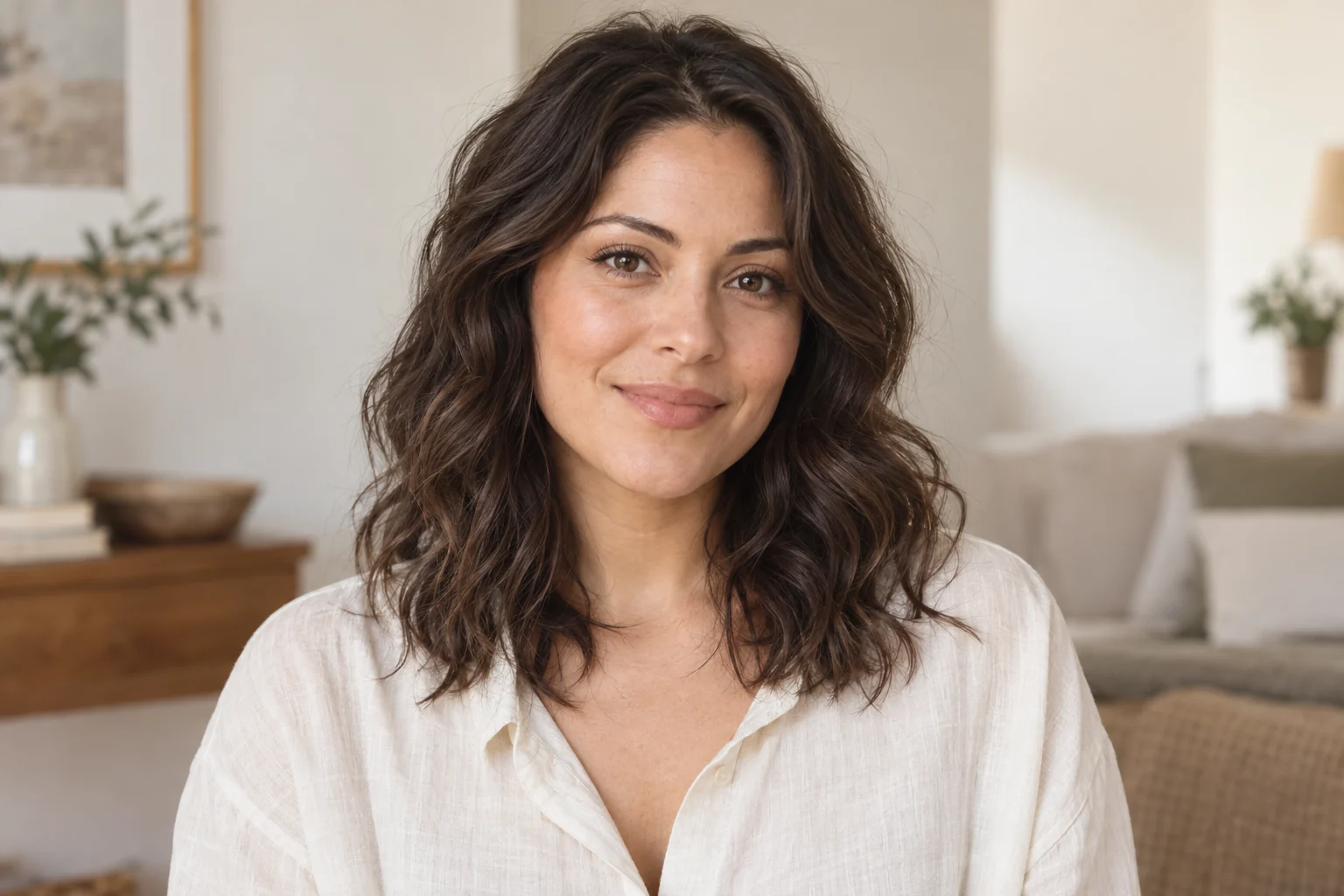
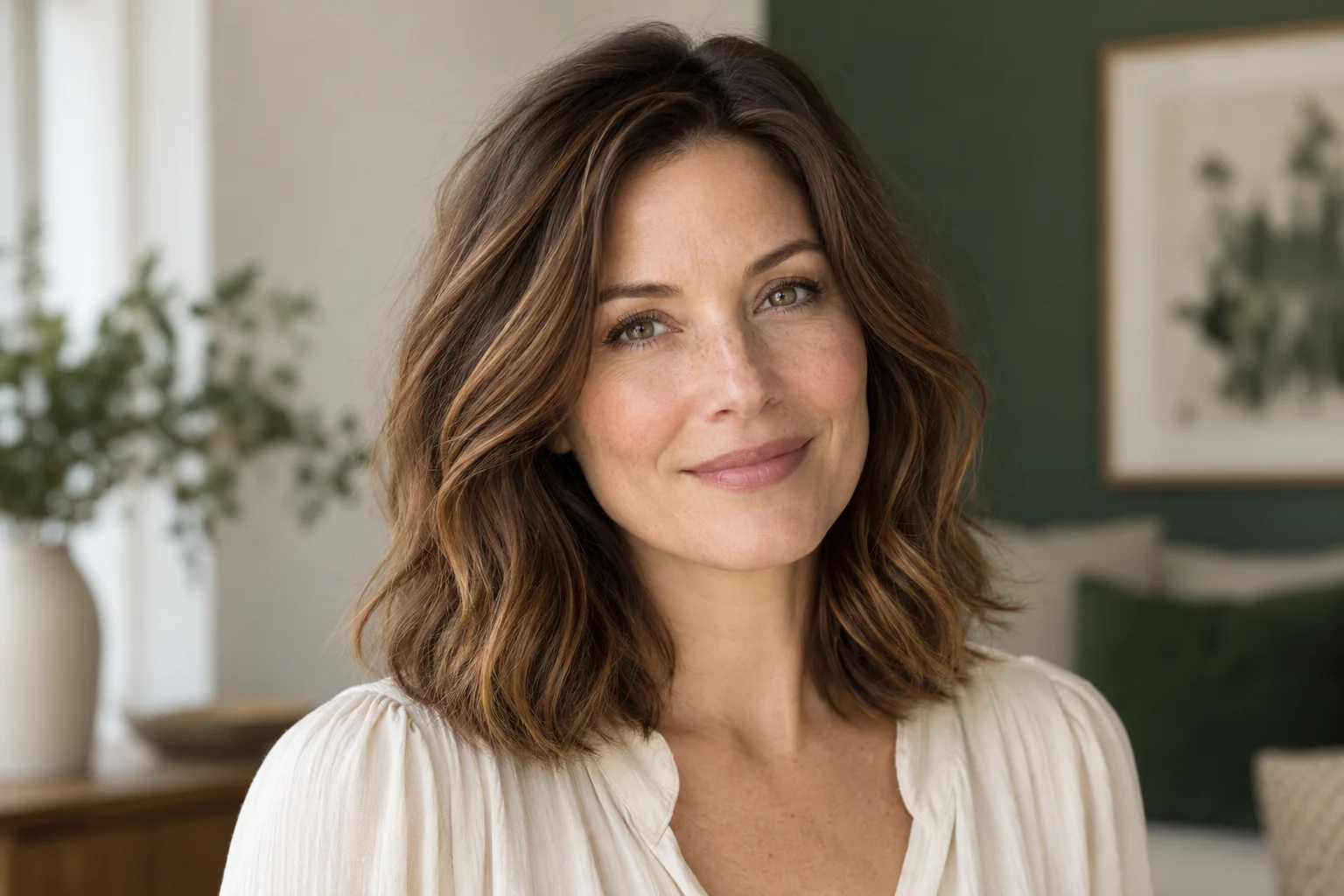
Illustrations are AI-generated concepts. Hair appearance varies with texture, density, styling, and light. Read our editorial standards or suggest a correction.